
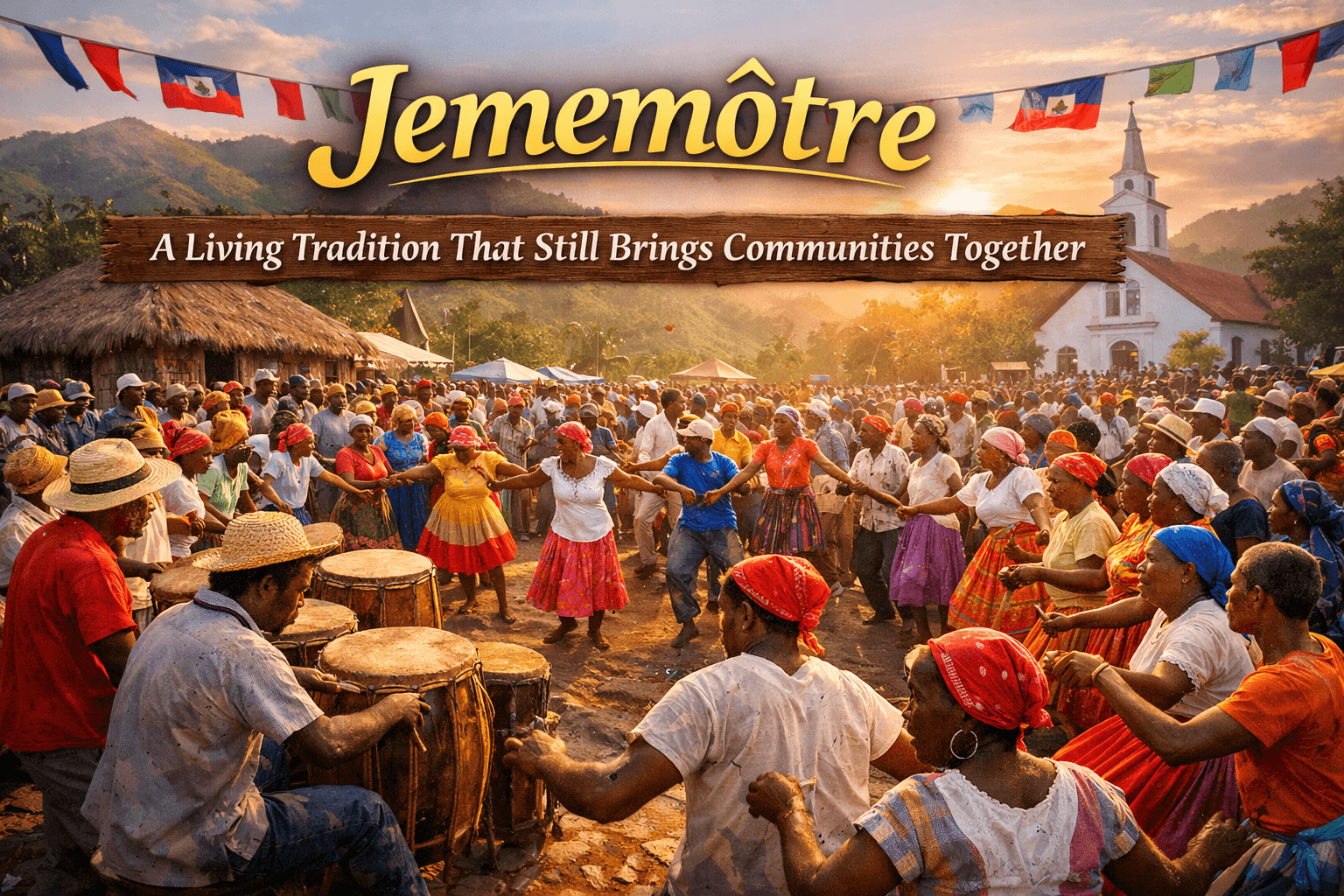

Introduction to Jememôtre
Some traditions whisper. Others sing. Jememôtre does both.
At first glance, jememôtre feels like a quiet cultural practice tucked away from the mainstream. But look closer and you’ll see something powerful. It is not just an activity. It is a living thread that ties generations together, blending memory, identity, and shared experience into something almost tangible.
People don’t just observe jememôtre. They step into it. They participate. They learn. And somewhere along the way, they begin to understand their place within a much larger story.
So what exactly is jememôtre, and why does it matter? Let’s explore.
The Origin and Meaning of Jememôtre
The word jememôtre carries weight. It traces back to older dialects that emphasized unity, resilience, and collective strength. Even in its earliest form, the idea was simple yet profound: people coming together in harmony.
That core meaning still holds.
At its heart, jememôtre represents shared belonging. It reflects the belief that culture is not static. It breathes. It adapts. It supports people when life feels uncertain. For many communities, jememôtre became a source of emotional and social stability. When times were hard, the tradition reminded people who they were and where they came from.
Stories passed down through generations shaped its identity. Each tale added another layer. Historical events, local struggles, triumphs, migrations, celebrations, all became woven into the ritual fabric of jememôtre. And here’s the interesting part: even as the world changed, the essence stayed intact.
That tension between change and continuity? That’s where jememôtre really shines.
Why Jememôtre Holds Cultural Power
You might wonder, why does a single tradition carry so much influence?
Because jememôtre does more than preserve the past. It actively shapes community life in the present.
It acts as a bridge between elders and youth. Grandparents share stories. Parents teach customs. Children absorb both. The transfer of knowledge feels organic, not forced. There is no lecture hall. No formal syllabus. Just lived experience.
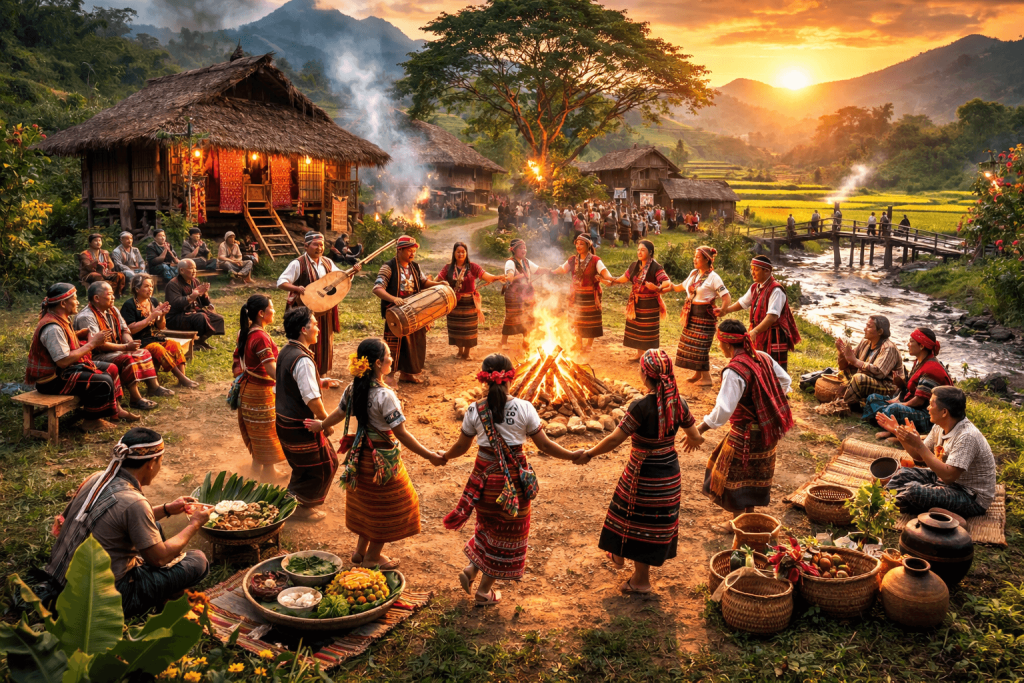
Gatherings around jememôtre often include music, dance, food, and craft. These are not random additions. They are expressions of identity. Song carries memory. Dance communicates emotion. Food reinforces belonging. When people gather, the atmosphere hums with shared meaning.
And in a time when many feel disconnected from their roots, that sense of grounded identity becomes invaluable.
Jememôtre also encourages curiosity about other cultures. When you understand your own traditions deeply, you begin to appreciate others with greater respect. It fosters openness rather than isolation. That’s a rare and beautiful outcome.
How to Experience Jememôtre Firsthand
Reading about jememôtre is one thing. Experiencing it is another.
If you ever have the opportunity, start with a guided experience led by local community members. Their insight goes beyond surface explanations. They speak with personal attachment, often blending historical context with lived stories. That combination makes all the difference.
If your visit coincides with a festival season, even better. Festivals linked to jememôtre tend to showcase the full spectrum of its expression. Expect music that echoes through open spaces. Expect rhythmic dance. Expect traditional dishes prepared with pride. The energy is contagious.
Local markets also offer a glimpse into its living culture. Artisans present handmade ceramics, textiles, and jewelry crafted using time honored methods. Each item carries symbolic meaning. Buying something is not just a transaction. It’s participation.
And honestly, don’t underestimate conversation. Ask questions. Listen carefully. Most people are eager to share what jememôtre means to them personally. That’s where the richest insights often surface.
For those who want deeper involvement, workshops in weaving, pottery, or storytelling provide hands on immersion. Crafting something yourself creates a different kind of connection. You feel the patience required. You understand the skill. You begin to respect the discipline behind the beauty.
Traditional Practices That Define Jememôtre
Traditions surrounding jememôtre are layered and expressive.
Annual celebrations often serve as the centerpiece. Communities gather for ceremonial dances accompanied by traditional instruments. The rhythms are intentional. The movements symbolic. Each gesture has a story behind it.
Oral storytelling remains central. Elders recount events that shaped their community, blending history with moral lessons. These narratives keep the tradition alive in a way no written archive could fully replicate. They also reinforce shared values such as perseverance, compassion, and unity.
Craftsmanship is equally important. Skilled artisans create detailed textiles, pottery, and adornments using locally sourced materials. The process itself reflects patience and respect for heritage. It’s not rushed. It’s not automated. It’s thoughtful.
And then there’s food. Special dishes prepared during jememôtre gatherings often rely on seasonal ingredients. Recipes are preserved carefully, sometimes guarded within families. Sharing these meals strengthens bonds and signals welcome.
Each practice reinforces the others. Together, they form a cohesive cultural ecosystem.
Jememôtre in Modern Society
Now here’s where things get interesting.
In recent years, jememôtre has experienced renewed attention. Younger generations are reclaiming their heritage with pride. Social media platforms amplify cultural storytelling, allowing communities to share traditions with global audiences.
At first, some feared modernization might dilute authenticity. And yes, adaptation always brings risk. But something surprising happened. Rather than weakening jememôtre, exposure often strengthened interest.
Educational institutions have begun incorporating cultural heritage studies into their programs. Students explore traditions like jememôtre not as relics, but as living practices. That shift changes perception entirely.
Modern interpretations sometimes blend traditional elements with contemporary art forms. A classic dance might be paired with new music styles. Traditional crafts may influence modern design. While purists sometimes hesitate, these hybrid expressions often attract younger participants.
And participation is what keeps culture alive.
The balance is delicate, but jememôtre continues to evolve without losing its foundational meaning. It remains rooted in unity and resilience, even as its expressions adapt.
Why Learning About Jememôtre Matters?
Understanding jememôtre expands perspective.
It reminds us that culture is not just entertainment or decoration. It is memory in motion. It shapes identity. It supports community mental health. It strengthens social cohesion.
Learning about it also challenges assumptions. Many lesser known traditions go unnoticed simply because they are not widely marketed. Yet they carry depth equal to any globally recognized cultural event.
When individuals explore jememôtre, they often reflect on their own heritage. Where do I come from? What traditions shaped me? Those questions matter.
More importantly, studying traditions like jememôtre nurtures empathy. Once you appreciate the layers behind one cultural practice, you become more open to others. That openness fosters mutual respect across communities.
And really, isn’t that something we need more of?
Conclusion
Jememôtre stands as a testament to the enduring strength of community and cultural memory. It bridges past and present with quiet confidence. It celebrates resilience while welcoming evolution.
Through festivals, crafts, storytelling, and shared meals, jememôtre continues to shape identity in meaningful ways. Its survival proves that traditions can adapt without losing their soul.
Exploring jememôtre is not simply about observing something unfamiliar. It is about recognizing shared humanity expressed through different forms.
Step closer. Ask questions. Listen carefully.
You may find that this cultural gem reflects something universal, something deeply human, waiting to be understood. Continue your spiritual journey with Spiritual Vana.

Cala Joy is a wellness coach, breathwork facilitator, and passionate explorer of heart-centered living. Her articles focus on emotional healing, energy alignment, and creating a life led by love and intuition.